Sokoku
*The Dragon's Oasis *
General
| Type | Stat |
|---|---|
| Demonym | Sokokan |
| Climate | Oasis |
| Languages | Draconic, Common |
Background Bonuses
| Type | Stat |
|---|---|
| Background Trait | +1 to Arcana (Recall Knowledge) |
| Terrain Lore | Desert |
| Regional Lore | Dragon, Tea, Geisha |
Politics
| Type | Stat |
|---|---|
| Govt Type | Shogunate |
| Ruler | Kiyo Iwamura |
| Capital | Narakami |
Commerce
| Type | Stat |
|---|---|
| Exports | Perfume, Glass, Snapdragon, Sake |
| Imports | Silk, Meat, Weaponry |
Gallery
Overview
Sokokans are quiet, reclusive, secretive and hard to understand. They see themselves as keepers of draconic culture and tradition. While Sokoku started out primarily as a refuge for Dragonborn and dragonkin, it has grown in popularity as a haven for similarly persecuted populations and those sympathetic to their causes. It is also seen as the birthplace of a new, refined fine art movement that champions subtlety and subdued grace over the typical lavish opulence of Shiloh or the theatrics of Rioja. Kitsune in particular have found great success in Sokokan society and generally live in harmony amongst the draconic natives of the region. In contrast to the frantic urgency of the Johtaja, Sokokans prefer to slow things down and place a high value on serenity, tranquility, and refined beauty.
Geography
Sokoku is built atop a series of artificial, dragon-made oases, separated from the Johtaja by the storms of A’mhuirghain.
Emerging from the blistering white sands that surround the capital is Io Seinaru, the largest shrine to any draconic deity anywhere in the world. It is known to change color; the devout say it is a reflection of the god’s mood and favor, while secularists explain that it is simply a natural reaction to environmental changes.
In the east, there is a small but surprisingly deep oasis generally referred to as the Well of Sorrow. The pool is said to be a reminder of all that dragonkind has lost, and a path to restoring that glory. Every servant of Io near the end of their life makes a journey here to pass their knowledge on through the Well of Sorrow— thus, it contains all the collective knowledge and way of life of the ancient Dragon.
Geography
| File | Category | Description |
|---|
Settlements
| File | Description |
|---|
Appearance
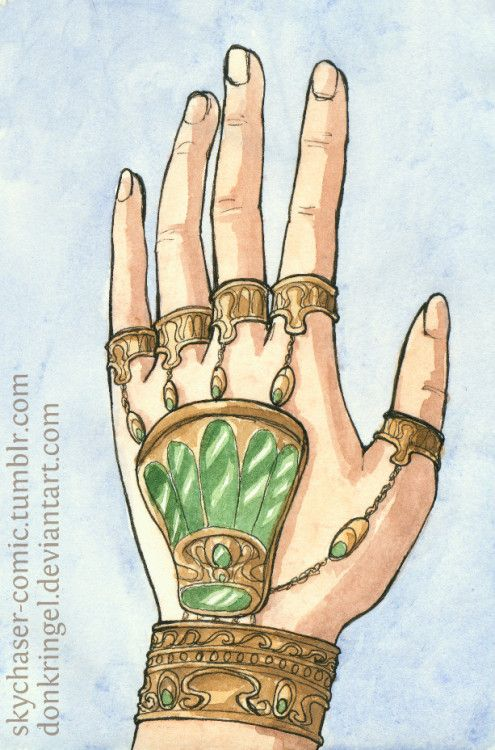
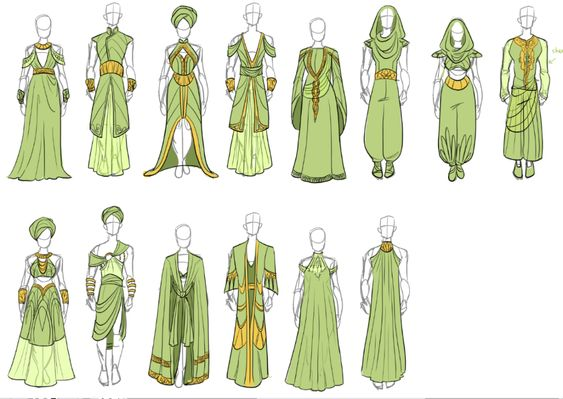
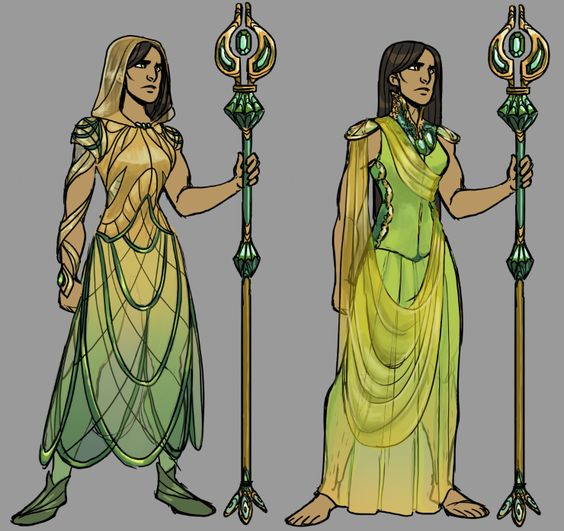
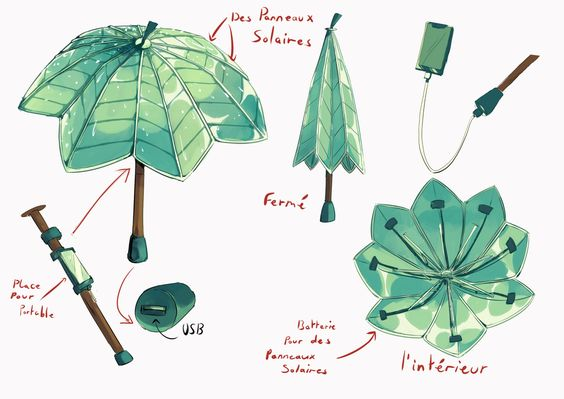
Outside their communities, Sokokans often wear masks-- both literally and figuratively. Near the comfort of the oasis, they usually dress in layered kimonos and use parasols to protect themselves from the sun. Silks are imported from all over the world and are a coveted commodity, especially those embroidered with spellthread. In the outer rings, closer to the desert, people tend to wear long cotton pants with draped tank tops and sashes.
Some, but not all, Sokokans embroider their clothing and/or masks with symbols that depict their allegiance: either with a guild, a lord, or a clan. Circles are an important symbol to Sokokans, and frequently appear in their clothing and accessories. They often dress in shades of red, white, and pink, though indigo and purple are also common.
Military & Diplomacy
Sokokans are traditionally trained to dual wield, and usually prefer single-handed weaponry as a result. They are especially known for their swordsmanship and martial arts, and almost always have a means of effective unarmed combat.
Sokokans find beauty in simplicity, and this mindset extends to the way they fight. Their fighting style is often described as fluid, lithe, and decisive; it is very rare for a battle between Sokokans to last more than a few minutes, with the winner often easy to predict in the opening seconds of the fight. Sokokan warriors normally take dance lessons alongside the Karyukai entertainers as part of their training, and are expected to pick up an artistic trade of their choosing to hone their mental acuity.
Many Sokokan military leaders were personally trained by their late lord Hiro before he mysteriously vanished a few short months ago. Even in his absence, a training facility in his name continues to take new students in Uraboshi, run by a handful of his most loyal pupils in the earnest hope that his disappearance will be a very temporary one.
Diplomatically, the sudden disappearance of Lord Hiro and Lady Errai has presented an unprecedented dilemma. Under normal circumstances, in the absence of a Lord or a Lady, their duties would fall to their firstborn to carry out. However, in the case of Hiro and Errai, their firstborn Aiko renounced his claim to the rule of Sokoku many years ago when he left on a mysterious expedition without a trace. Their second-born, Sayaka, has yet to come of age and is not eligible to take the throne— and is rumored to be in a deep depression following her family’s perceived abandonment, and refuses to meet with her public.
According to the court documents, this would mean that Sayaka’s appointed regent, family friend and advisor Kiyo Iwamura, is now the Lord of Sokoku...but this appointment has been very publicly contested, and there are other Sokokan leaders who doubt the authenticity of these documents, as well as Kiyo’s leadership potential. Whatever these doubts may be, the appointment was made official last month when Sayaka confirmed Kiyo as her Lord during the Tamashi Ceremony… but if the whispers are to be believed, there are already mechations in place to unseat Lord Iwamura from the throne, sooner rather than later.
Additionally, there are whispered rumors that this abrupt change in leadership may lead to future conflict with the Johtaja. As it stood before, there was a fragile but lasting peace with their neighbors across the sands, but that peace was constantly being tested. Now, with untested leadership that does not have the support of the people behind them, it seems like it may be a perfect opportunity for the oft-brutal Johtan warriors to make their move.
Magic & Faith
Sokokan residents have frequently been victim to persecution at the hands of Templars, so the pantheon of the The Old Gods is not terribly popular here. That isn’t to say Reiki isn’t practiced— Sokokans simply worship the The Sacred Dragons instead.
Over the past 100 years of Lady Errai’s rule, there has been a tremendous emphasis in Sokokan society on magical education, which has dramatically increased the size of Narakami’s library and lead to the employ of dozens of dedicated scribes.
Education & Technology
Gakuen Kereska in Shimano is a small magical academy dedicated to the study of Technomancy established by Lady Errai.
Lady Errai and Lord Hiro were well known for their scholarly pursuits, especially in the arcane and draconic disciplines. Other than the Library of Narakami, they also invested a great deal of time and resources into the growth of small schoolhouses in Sokokan villages and established a new system of traveling academic caravans that brought schooling to the nomadic populations of Sokoku. As a result of their efforts, Sokokans are widely considered to be among the most well-read people in Sharum Mal’Kari.
Family Life
A great deal of a typical Sokokan’s personal life revolves around traditional draconic arts. For example, most Sokokans regularly visit public bathhouses as a form of relaxation and socialization, and consider meditation and mindfulness to be an essential practice for one’s overall health and wellbeing. Sokokans often enjoy live music and dancing as entertainment during or after dinner with guests, and would expect professional performers to be present for important occasions. Wealthy Sokokans often hold tea ceremonies, and Sokokans of all walks of life are likely to understand the difference between blends and recognize the quality of a good brew.
Like Dragon, Sokokans typically marry for life and have very small families. In fact, it is not uncommon or unusual for a Sokokan couple to never parent any children. Sokokans also hold a high regard for seniority and a deep respect for the wisdom and experience of their elders. Most Sokokans live well into their elder years, and are usually very well cared for my their communities. As a result, Sokoku has a relatively small population overall, but may be less likely than other regions to produce adventurers, since young Sokokans often face a great deal of pressure to stay home and provide for their communities. Some have said that the secret to Sokokan longevity can be found within the Well of Sorrow, but Sokokans themselves laugh at this suggestion and claim it is actually due to their diet full of tea and lemon.
Naming Conventions
Sokokan names are inspired by Edo-era Japanese names. Sokokans are frequently called by their family name and/or job title rather than their personal name, and often hide their personal name from all but their family and closest friends. For example, a blacksmith named “Takahide Shimokoube” might be known as “Koube the smith” to everyone in town, but known as “Taka” to their brothers and sisters. The exception to this rule are people in positions of great power and authority— they may share their full name either as a demonstration that they have nothing to hide and nothing to fear, or to make themselves more approachable to their subordinates.
Personal names: Takahide, Normasa, Hirokiyo, Tsunetoki, Arinao, Muneyuki, Tanenaga, Shigenao, Aritsune, Yaya, Oname, Koku, Tsuma, Kuni, Fudeyo, Yasutada.
Family names: Shimokoube, Satou, Matsushita, Ashina, Sugihara, Iwamura, Shibukawa, Yamana, Sonoda, Morikawa, Andou, Obake, Suwa, Sasaki, Kagami, Honma, Imai, Nishina,
Tsukushi.
Local NPC Compendium
· Errai: ruby dragon queen, former ruler of Sokoku who recently vanished
· Hiro: Errai’s mate and father of her children, also recently vanished
· Aiko: Errai and Hiro’s first-born son
· Sayaka; Errai and Hiro’s second-born daughter
| File | Faction | Description |
|---|
Additional Details
Placeholder
Story Notes
Placeholder